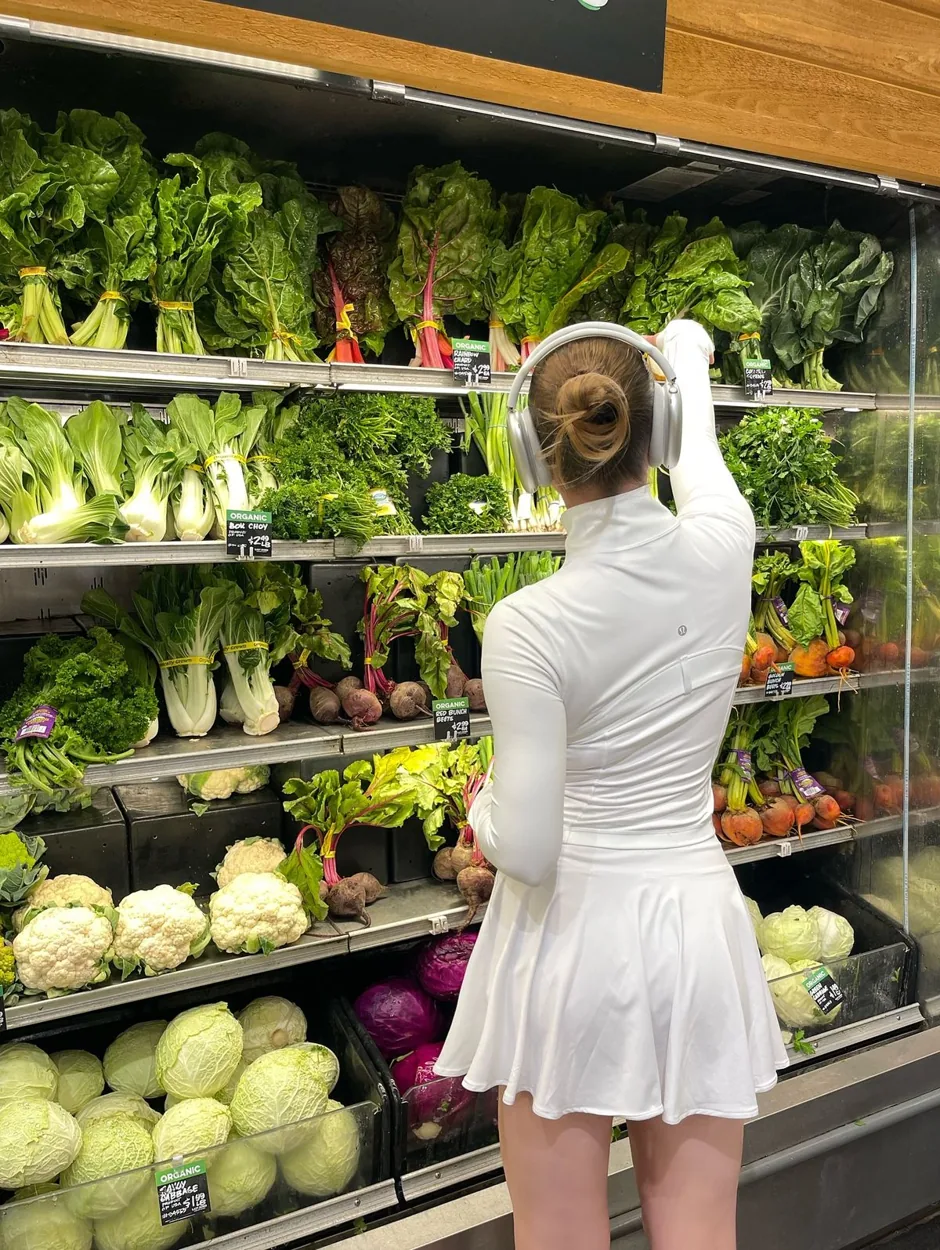
Find the food you already meant to use
Check the fridge, freezer, and pantry before you make a list. Write down one ingredient you need to use soon, one meal you can already make, and anything you’ve genuinely run out of. Keep the first ingredient visible when you put everything back.
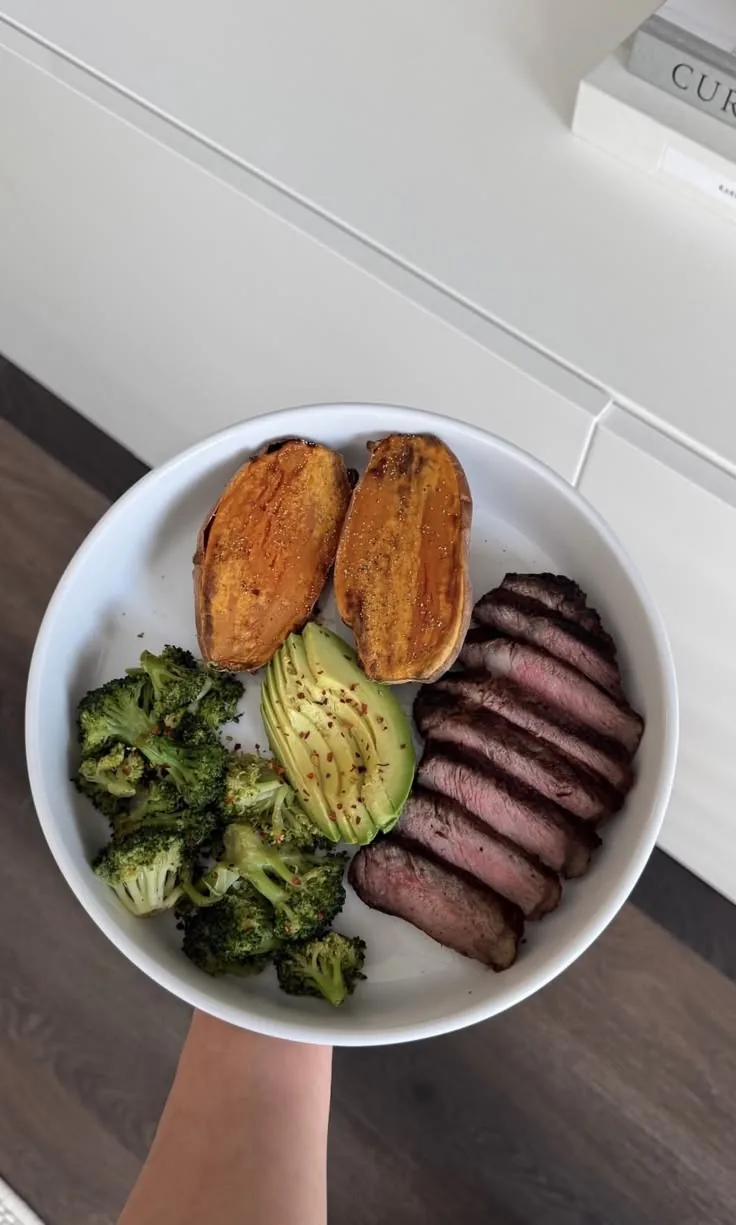
Choose a few meals that share an ingredient
If you already have cucumbers, they can go in a lunch bowl and a sandwich. Buy the extras you need for those two meals first. Check your calendar for dinners out or late nights before you add another bag of produce.
Put one quick pantry meal on your list of options. It gives you a backup if your plans change or you don’t feel like cooking.
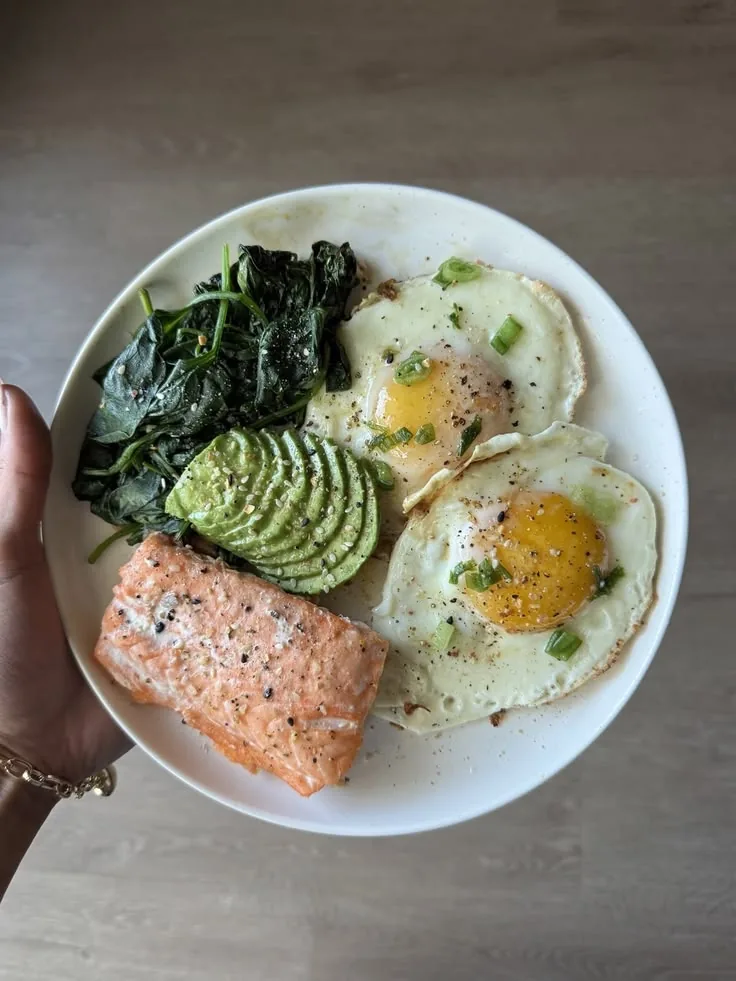
“Caring for your week can start with choosing a few things you look forward to enjoying.”
Unpack for the next meal you’ll make
Set the ingredients for tomorrow’s meal where you’ll see them. Store perishables promptly and use the FoodSafety.gov storage chart for item-specific guidance. Leave the rest in its packaging if it keeps better that way.
For a lunch you can assemble from the same grocery shop, see the no-cook work lunch ideas.
Shop for the days you will actually be home
A beautiful fridge is lovely, but the best shop is one that makes sense for the week ahead. Check whether you have plans for dinner, a long commute, or an evening when cooking will feel like too much. Put a flexible meal on the list for that night and choose ingredients you already know how to use.
When you unpack, keep a short note of what needs using first. Place the ingredients for your next lunch together and leave the rest where they store best. A small weekly check can help you buy with a clearer plan and make the next meal easier to start.
A small list is especially useful when you shop for yourself. Start with meals you expect to make, then add a couple of ingredients that can be used in different ways. If the week changes, look at what you already have before buying more.